SORREL WEED HOUSE
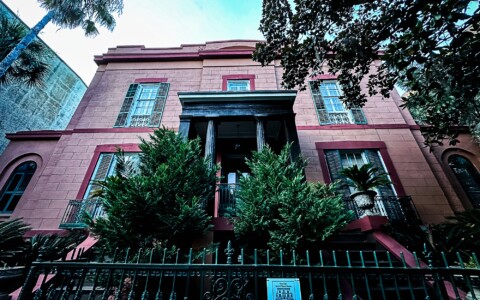
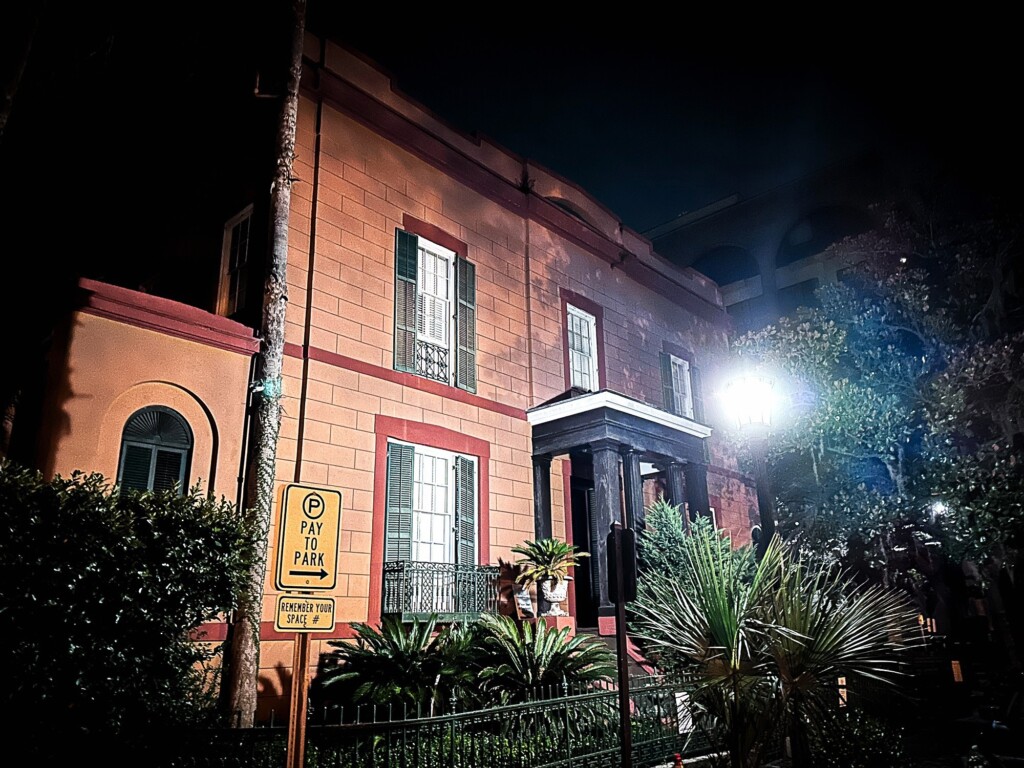
Located on the edge of Savannah’s historic Madison Square, the Sorrel-Weed House stands as a haunting reminder of the city’s tumultuous past. This grand home, completed in 1840, is steeped in history. The home was erected, on a site that witnessed one of the bloodiest battles of the Revolutionary War, the Siege of Savannah in 1779.
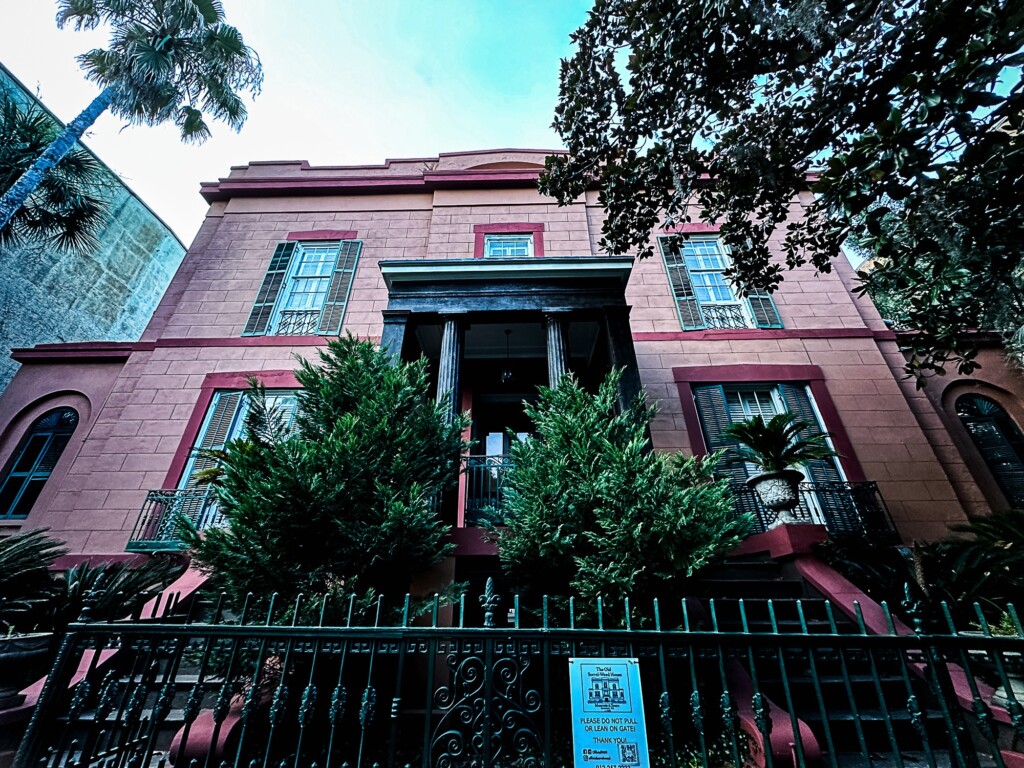
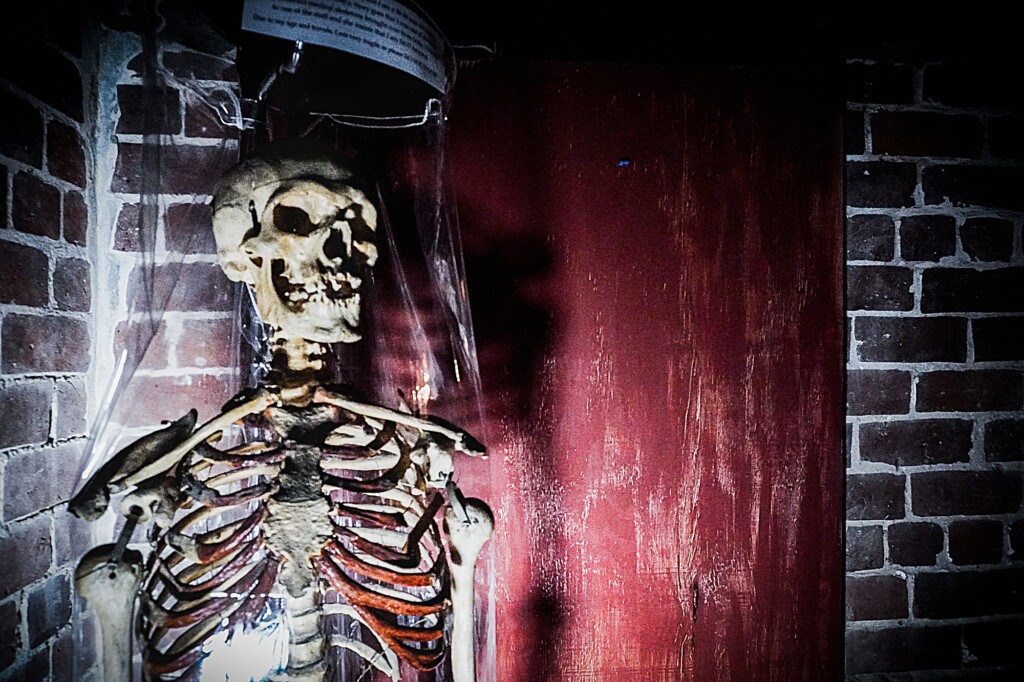
Hundreds of soldiers perished during the chaos of battle. In the aftermath, a mass trench was dug to bury the dead, but the distinction between the deceased and the gravely injured was tragically overlooked. Many were buried alive, their remains never exhumed, leaving the square as well as the buildings constructed around it, forever tied to this grim history.
Originally built for Francis Sorrel, a wealthy French-Haitian shipping merchant, the home became a hub of high society, hosting lavish parties for Savannah’s elite. Yet, beneath its grandeur was a web of personal tragedy and scandal. Francis’ first wife, Lucinda, succumbed to yellow fever before the house was completed and his second wife, Matilda, met a tragic end after discovering her husband’s affair with a slave named Molly.
The deaths of both Matilda and Molly, one from a fall and the other by hanging have fuelled chilling theories and whispers of foul play. Today, the Sorrel-Weed House is not only a historic landmark but also one of Savannah’s most infamous haunted locations, drawing visitors eager to uncover the secrets of its ghostly past.
SORREL WEED GHOST STORIES
The Sorrel-Weed House is not just a historic landmark, it’s a hotspot for paranormal activity that has left visitors both fascinated and unnerved. Among the most chilling accounts are the cries of a woman heard on the second floor, believed to be Matilda Sorrel, the second wife of Francis Sorrel. Matilda tragically leapt to her death from a second-story balcony in 1860 after discovering her husband’s affair with a slave named Molly.
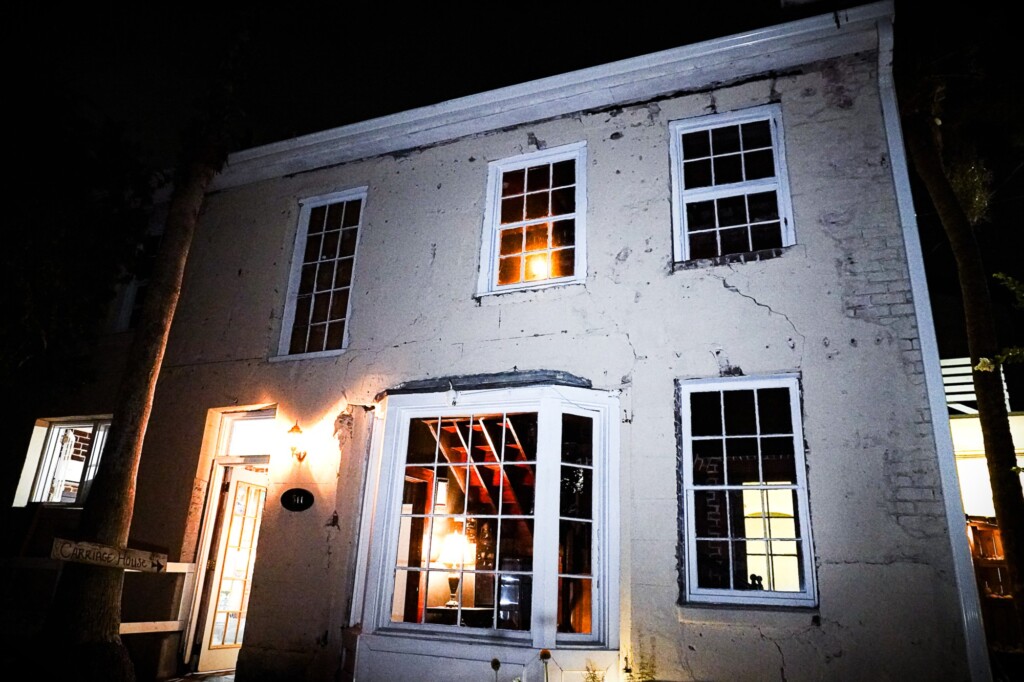
Matilda’s spirit is said to haunt the house, along with Molly, who was later found hanging in what was deemed a suicide. Molly’s presence is particularly strong in the slave quarters, where visitors often report feeling watched, experiencing sensations of choking, or becoming inexplicably drowsy. The oppressive atmosphere in this area has left many shaken, with some even claiming to feel physically ill upon entering the slave kitchen.
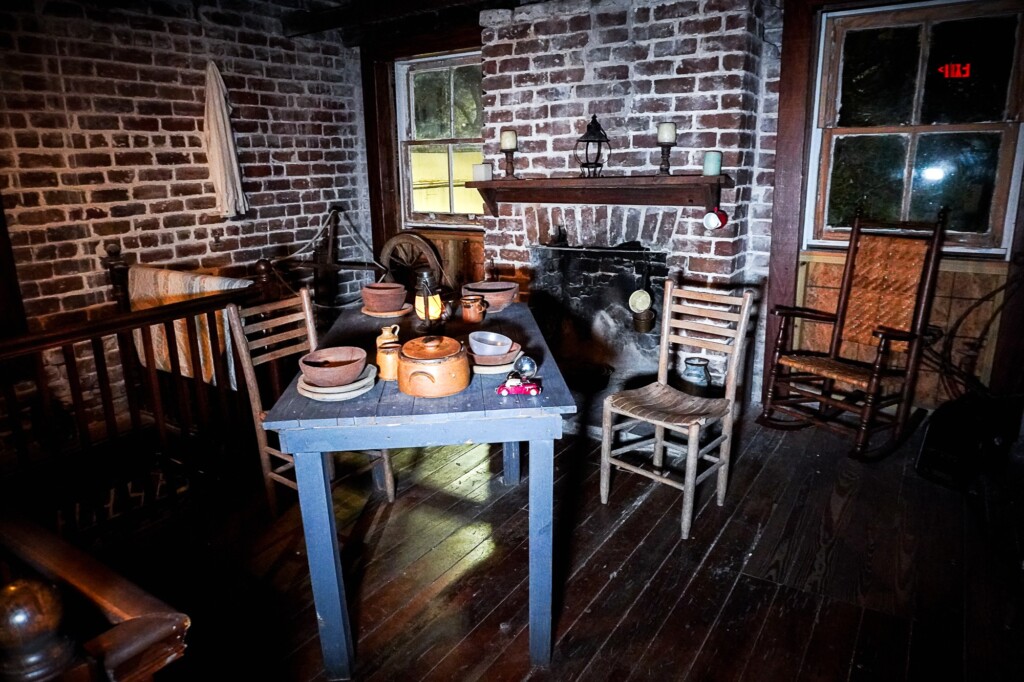
A young girl, believed to be Matilda and Francis’s daughter, Matilda Anne, who died of scarlet fever at the age of five, has been seen playing and laughing in the house. Her innocent giggles are a sharp contrast to the darker apparitions that are reported throughout the property.
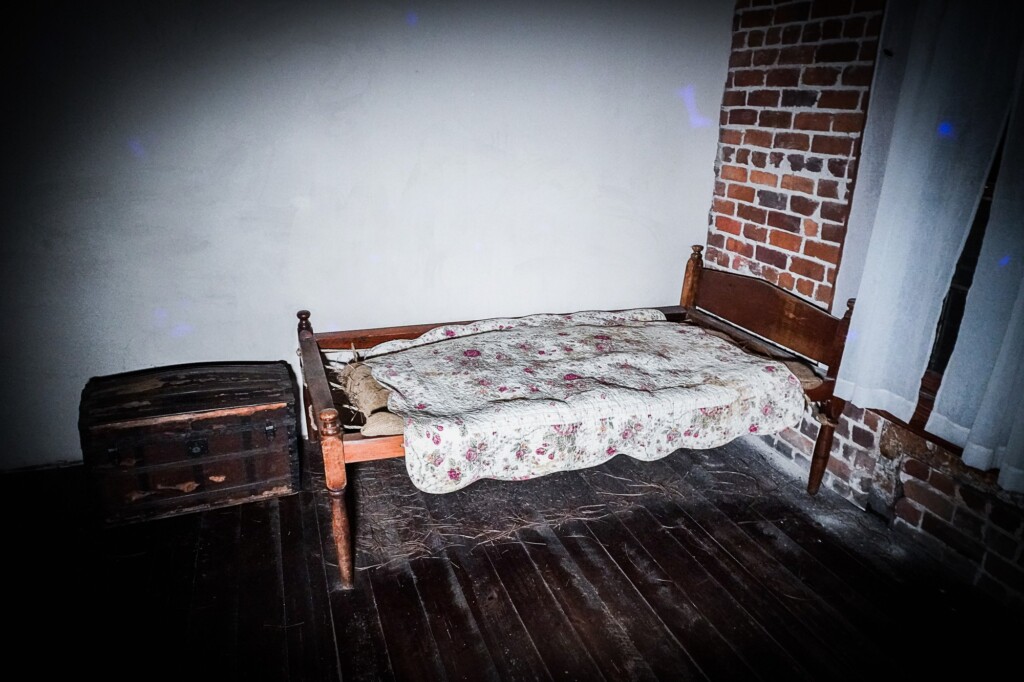
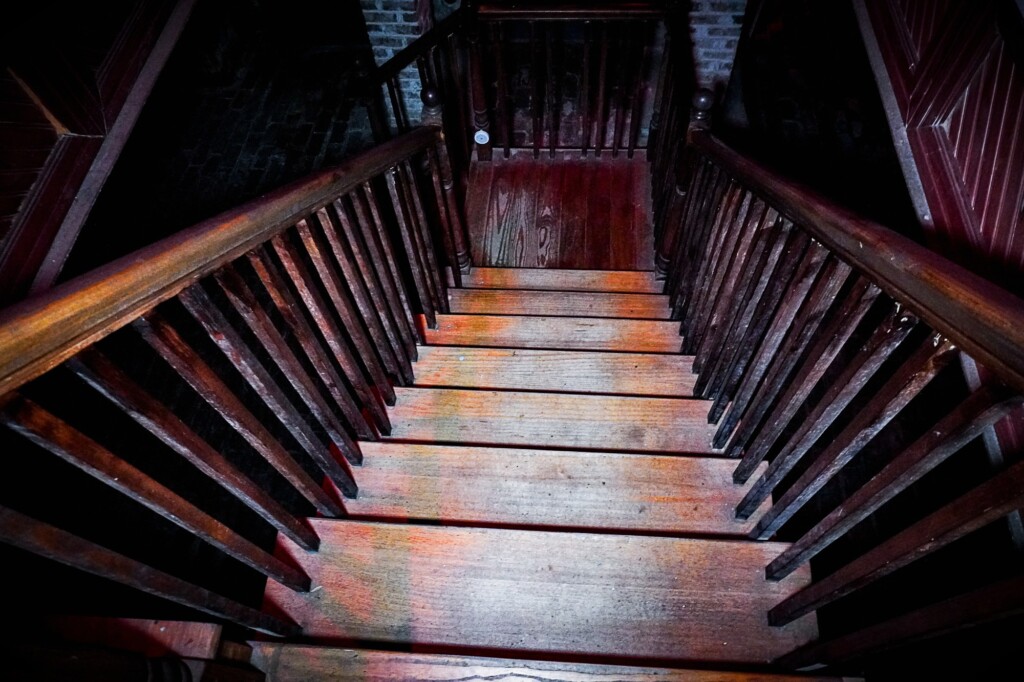
Dark silhouettes have been spotted walking through the halls, some even captured in photographs, while a “tall shadow man” is frequently seen lingering in the basement. Mirrors in the house have also been the source of creepy encounters, with visitors claiming to see female apparitions staring back at them.
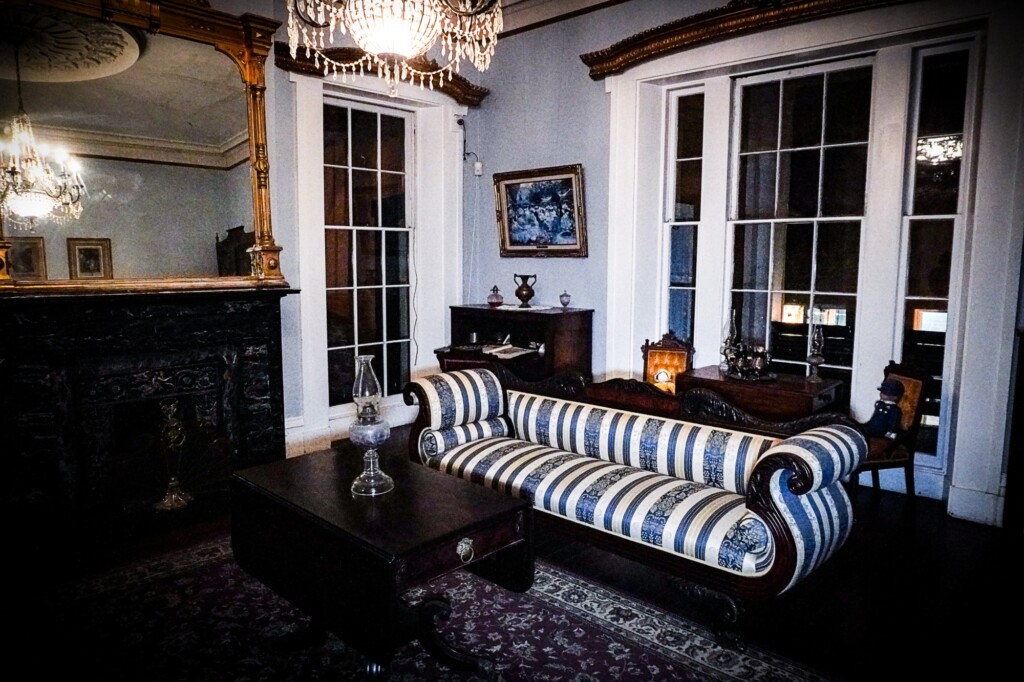
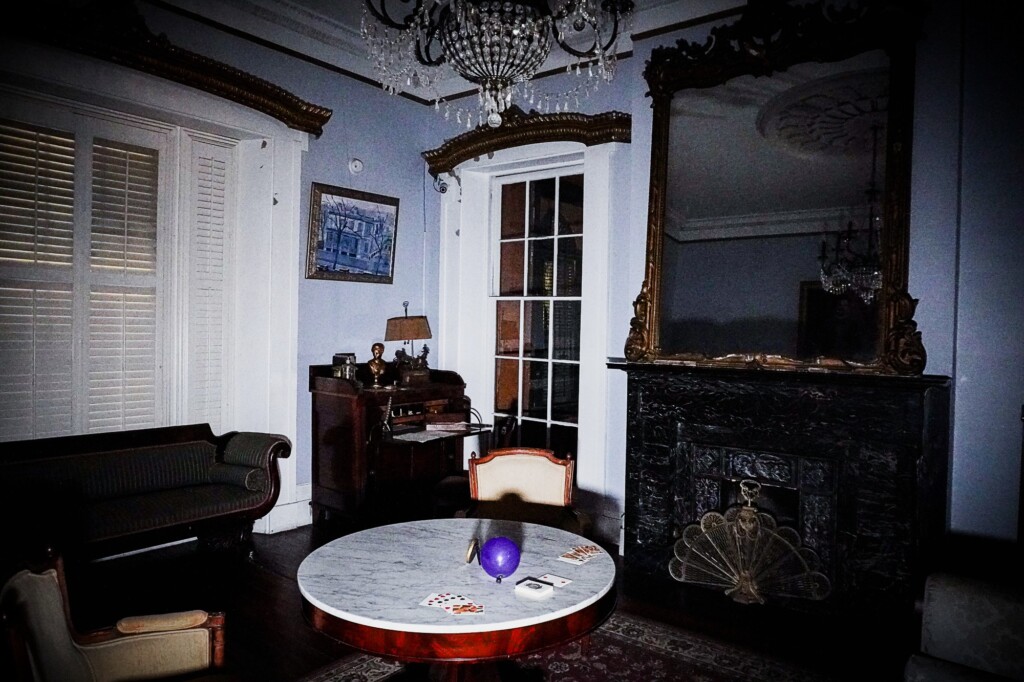
The parlour offers a different kind of haunting. Guests have reported hearing the sounds of a lively social gathering, complete with music, the scent of cigar smoke and the aroma of brandy, as if the Sorrel family’s opulent past is replaying itself. However, the jovial echoes are overshadowed by the heavy, dark feeling visitors experience upon entering the house, believed to be tied to the bloody Siege of Savannah. On quiet nights, the sounds of distant warfare can still be heard, as if the past refuses to rest.
VISITING THE SORREL WEED HOUSE
The Sorrel Weed House’s chilling reputation has cemented it as a must-visit destination for paranormal enthusiasts and history buffs alike. With its deep ties to the Civil War and the tragic stories of the Sorrel family, the house offers an eerie blend of history and hauntings. Visitors can experience the Sorrel Weed House through a variety of options, including historical tours, ghost tours or private after hours paranormal investigations. This remarkable location offers a glimpse into a time long gone and a truly unforgettable experience for anyone brave enough to explore its halls.
If you enjoyed reading about the hauntings and history of the Sorrel Weed House you may also be interested in reading more about The Foley House Inn, known as Savannah’s most haunted bed and breakfast.
Thanks for reading!
XOXO