ROLLING HILLS ASYLUM
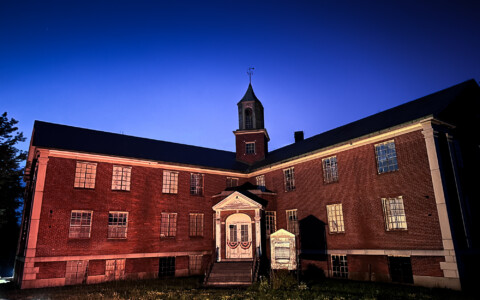
Rolling Hills Asylum began its story in 1826, when the Genesee County Board established a Poor House. Originally a working farm, the building became a refuge for those who had nowhere else to turn. Often referred to as “The Old County Home,” the property eventually grew into a self-sufficient community spanning more than 108 acres of farmland, producing its own food and fuel.
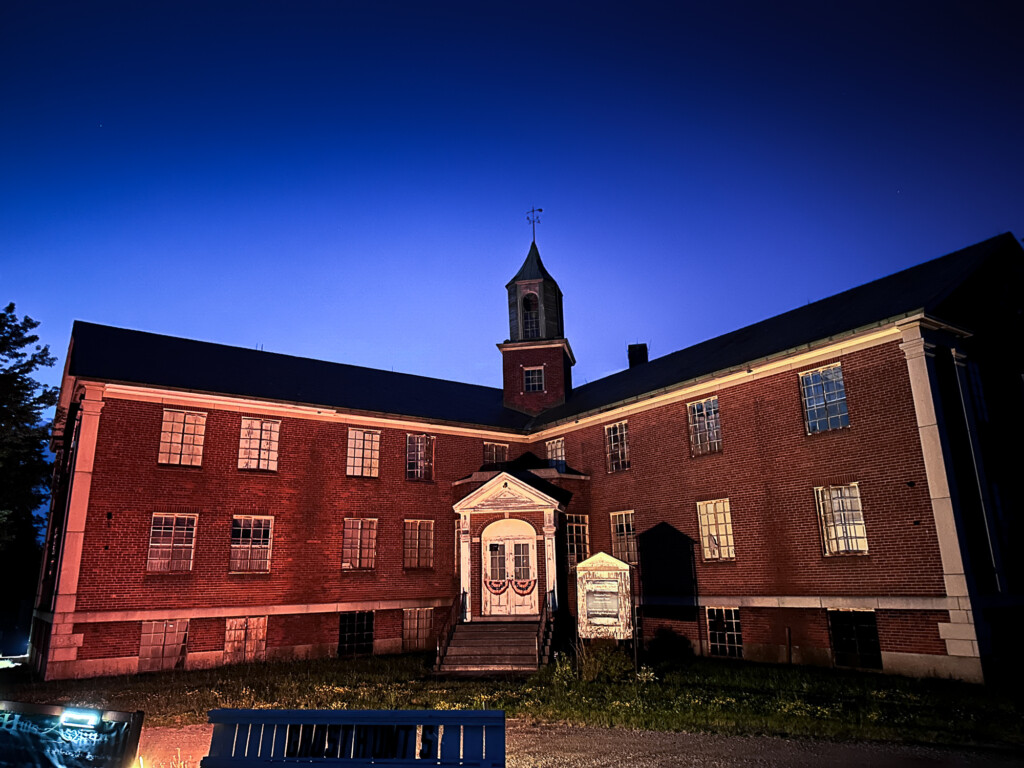
Its doors were opened to a diverse group of people including; the elderly, orphans, widows, unwed mothers, paupers, vagrants, those who were blind, deaf or disabled, people suffering from mental illness and even those considered criminally insane. Regardless of why they had arrived, many were simply labelled “inmates,” and those who were physically able were expected to work the farm.
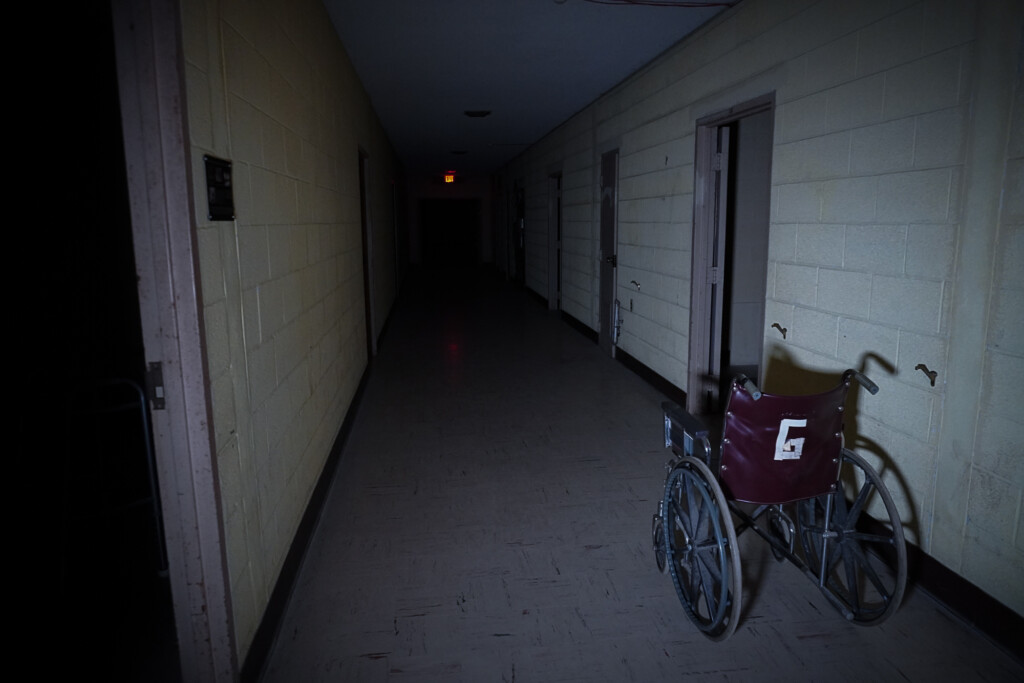
But behind the promise of refuge was a much darker side to life at the Poor House. In 1828, a stone building was added for the confinement of those deemed “unruly,” where inmates could be shackled and placed in solitary confinement. Those confined were not necessarily criminals but people suffering from poorly understood conditions. People described as suffering from “acute insanity” were housed there until 1887, when they were transferred elsewhere in the state.
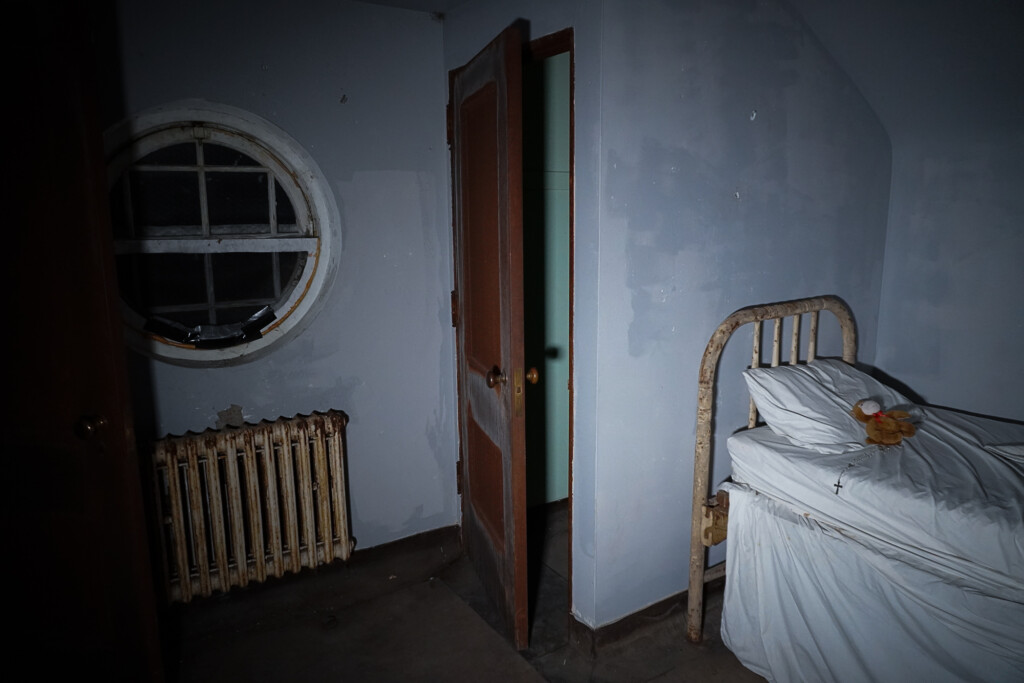
Over the following decades, thousands of people passed through the property with more than 1,700 documented deaths and countless others believed to have gone unrecorded. For those who died without family to claim them, the county provided a burial in a cemetery located in a potter’s field on the property. It is within this complicated history of hardship, confinement, suffering and death that the haunting reputation of Rolling Hills began.
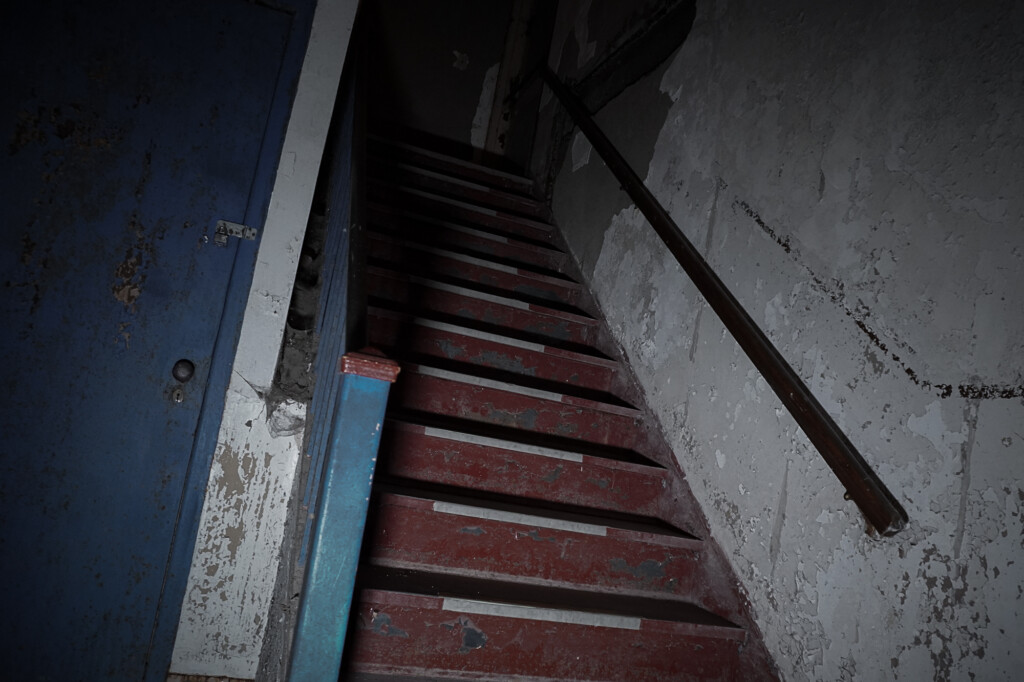
HAUNTINGS AT ROLLING HILLS
One of the most well-known spirits is Roy, a kind-natured man, said to have stood over seven feet tall due to gigantism. Abandoned by his family at age twelve, Roy spent the remainder of his life at the Poor House, eventually dying there at age sixty-two. Today, visitors have reported seeing a large shadow figure moving through the halls, believed by some to be the spirit of Roy. He was known for a love of reading and classical opera and is said to enjoy dancing with the ladies. There are even stories of Roy occasionally surprising visitors with an unexpected and rather cheerful, “Happy Birthday.”
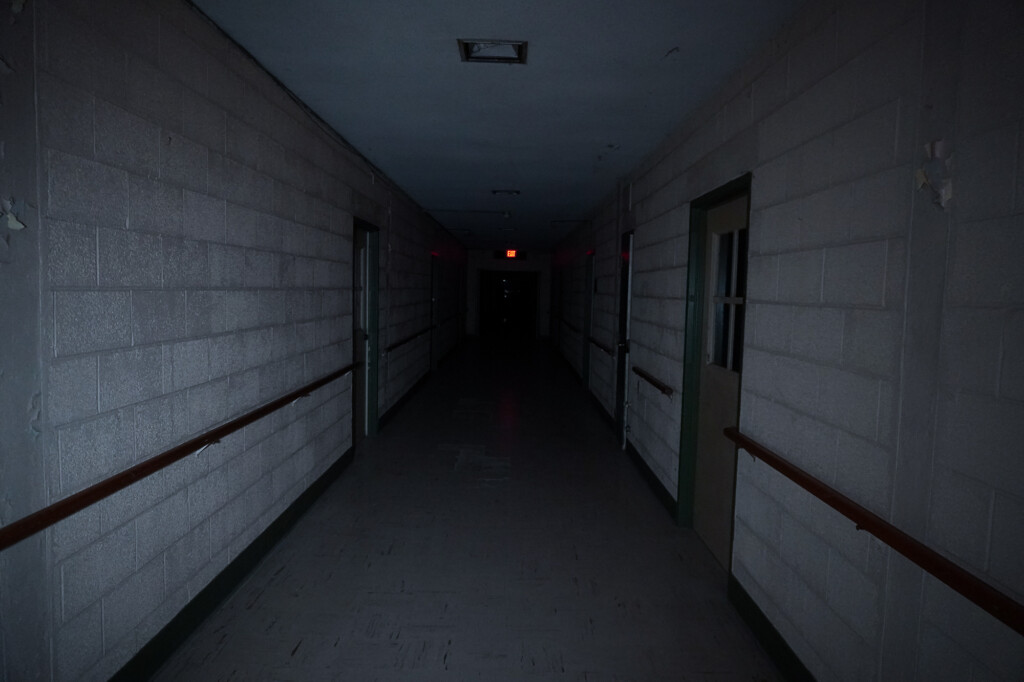
The Infirmary is said to be home to a very different presence. Nurse Emmie Altworth was reportedly feared and hated by both staff and inmates because of her cruel treatment of patients. Legends surrounding her have become more eerie over time, with rumours claiming that she was involved in the dark arts, including satanic rituals and black magic. Visitors to the Infirmary have reported hearing unexplained cackling, voices and doors violently slamming.
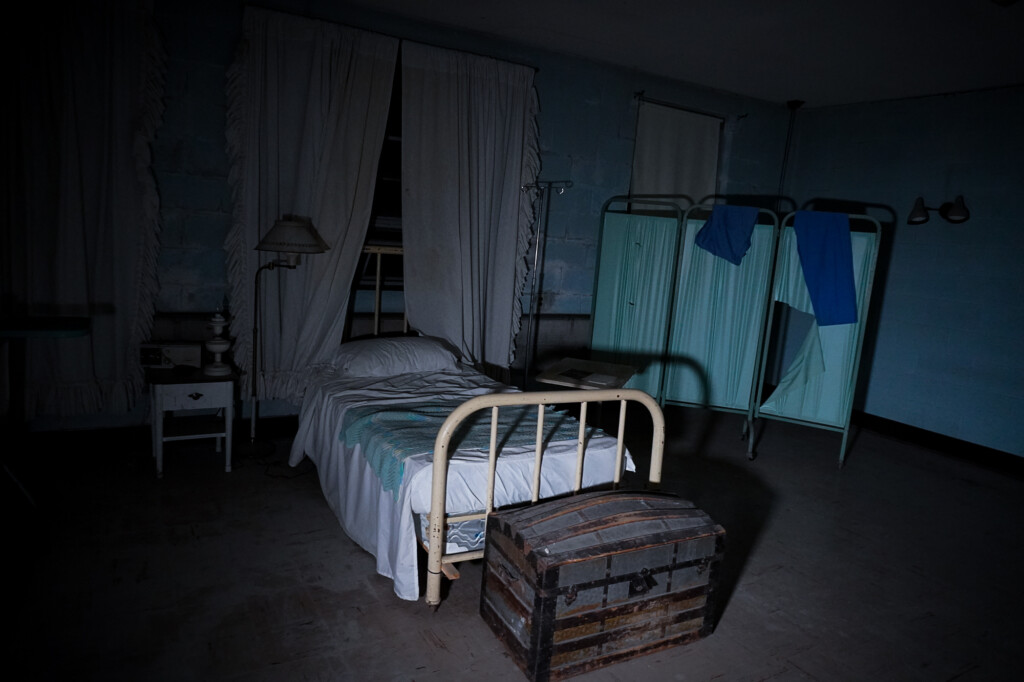
Then there is Hattie, a blind elderly resident who was known for constantly calling out “Hello!” in an attempt to attract attention from the nurses. Today, visitors passing her former room have reported hearing a disembodied voice calling “Hello!” Some have even described hearing a much quieter greeting as they walk past, as though Hattie is still waiting for someone to answer.
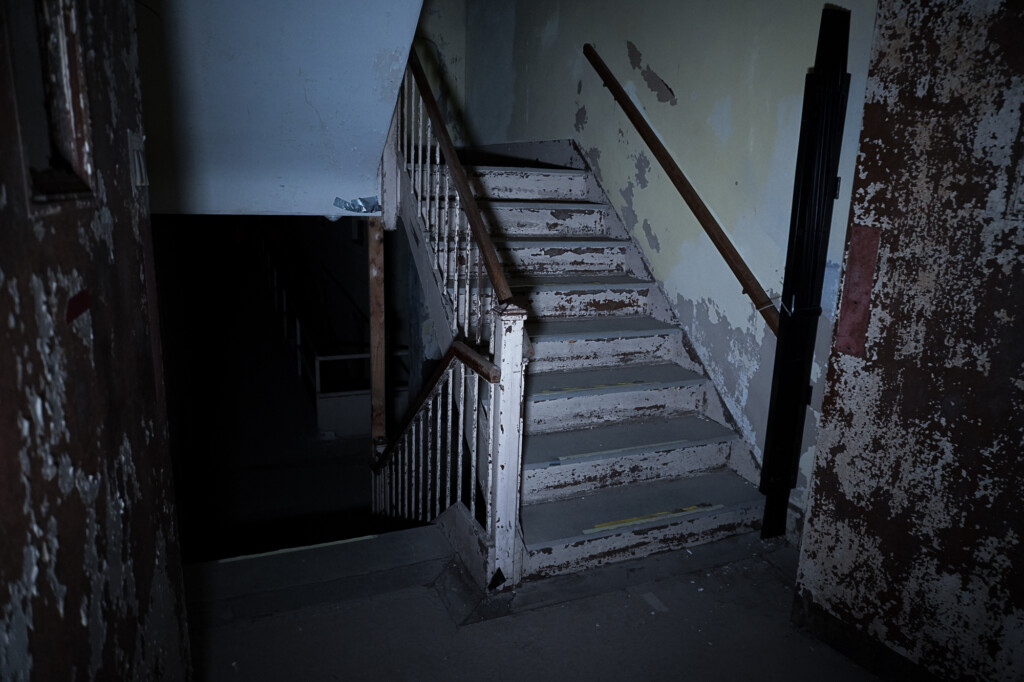
Phoebe White’s room holds another hauntingly sad story. Phoebe was just nine years old when she entered the Poorhouse, eventually spending fifty-eight years of her life there. She was sadly found dead on her bedroom floor at the age of sixty-seven. Visitors and investigators have since reported hearing a woman screaming and unexplained voices, with EVPs reportedly captured within the room.
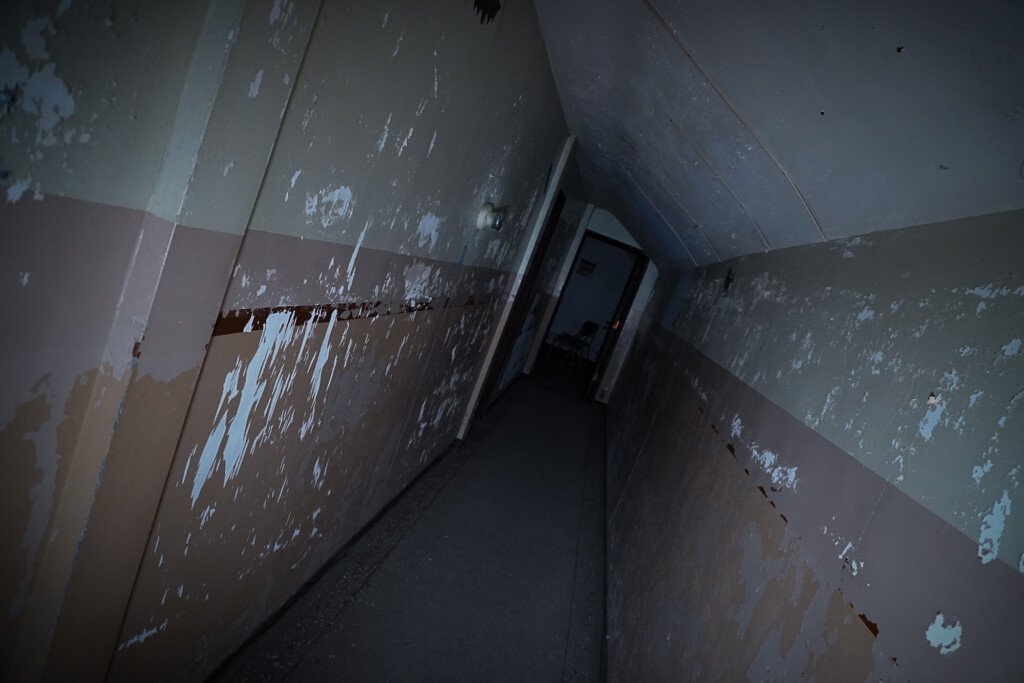
The activity doesn’t appear to be limited to individual rooms. The second-floor men’s dormitory is associated with shadow figures and disembodied voices, while the East Wing Ladies’ Dormitory has produced reports of women’s voices, humming and even the sound of sewing machines that seem strangely out of place in an otherwise silent building.
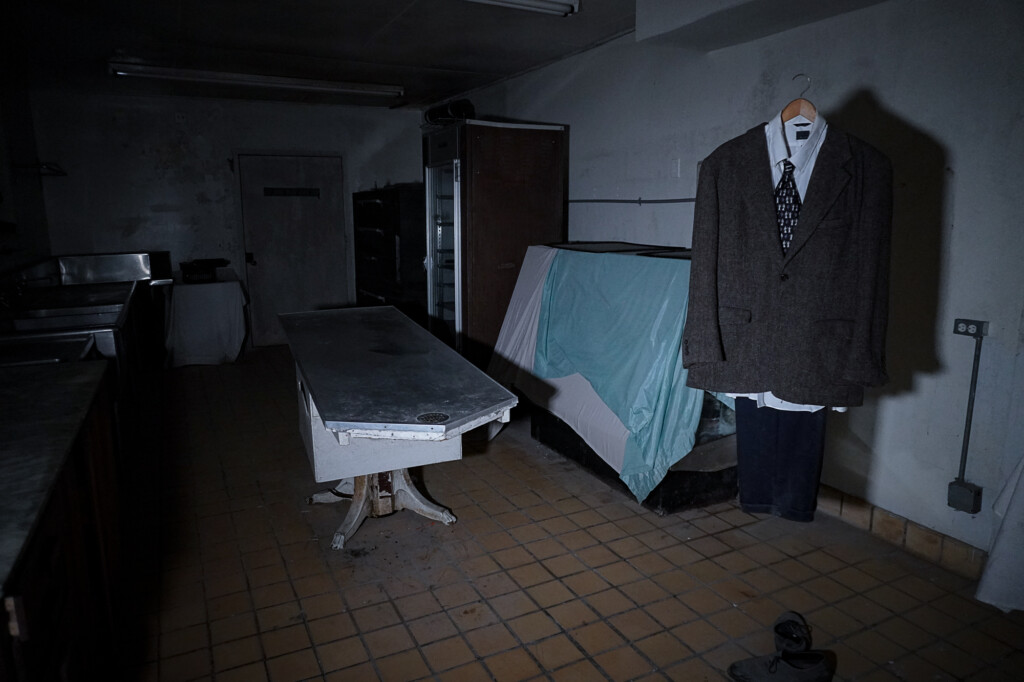
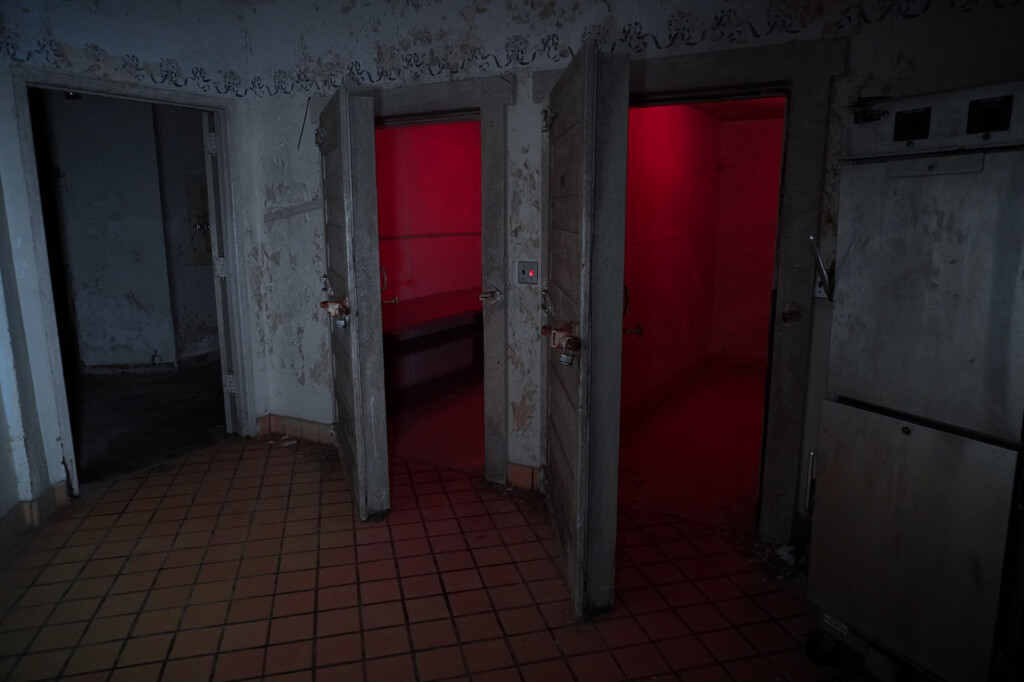
Some of the most unsettling reports have come from the solitary confinement area, where visitors have described sudden and unexplained feelings of nausea, discomfort and the sensation of being hit or pushed by something unseen. The morgue has its own collection of stories, including poltergeist activity, along with reports of a particularly violent spirit said to push visitors to the floor.
VISITING ROLLING HILLS
Today, Rolling Hills is known for the countless reports of paranormal activity experienced by visitors and investigators. From shadow figures and full-bodied apparitions to disembodied voices, unexplained footsteps, children’s laughter and the sensation of being touched or pushed by something unseen. The stories of Rolling Hills Asylum are as varied as the people who once lived and died there. Rolling Hills is open to the public, offering historical tours, exhibitions, educational programs and paranormal events, giving visitors the opportunity to explore this fascinating and unsettling piece of history for themselves.
If you found the stories of Rolling Hills Asylum interesting, you may also like to read about the history of another notoriously haunted building that shares a similar past, the Randolph County Asylum, which also began its life as a Poor Farm.
Thanks for Reading!
XOXO