WHITTINGTON CASTLE
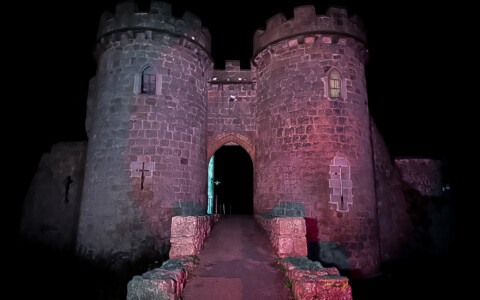
Whittington Castle, often dubbed “The White Castle,” is a light coloured stone fortress that sits quietly in the picturesque village of Whittington in North Shropshire, England. After the Norman conquest in 1067, the estate was granted to the First Earl of Shewsbury but the castle was built and fortified by William Peverel in 1138 in support of Empress Matilda, daughter of King Henry I, against King Stephen during the tumultuous civil war. Over the next several centuries, this legendary stronghold bore witness to countless bloody battles. Madog ap Maredudd seized it in 1149 and held it until his death inside its walls in 1160.
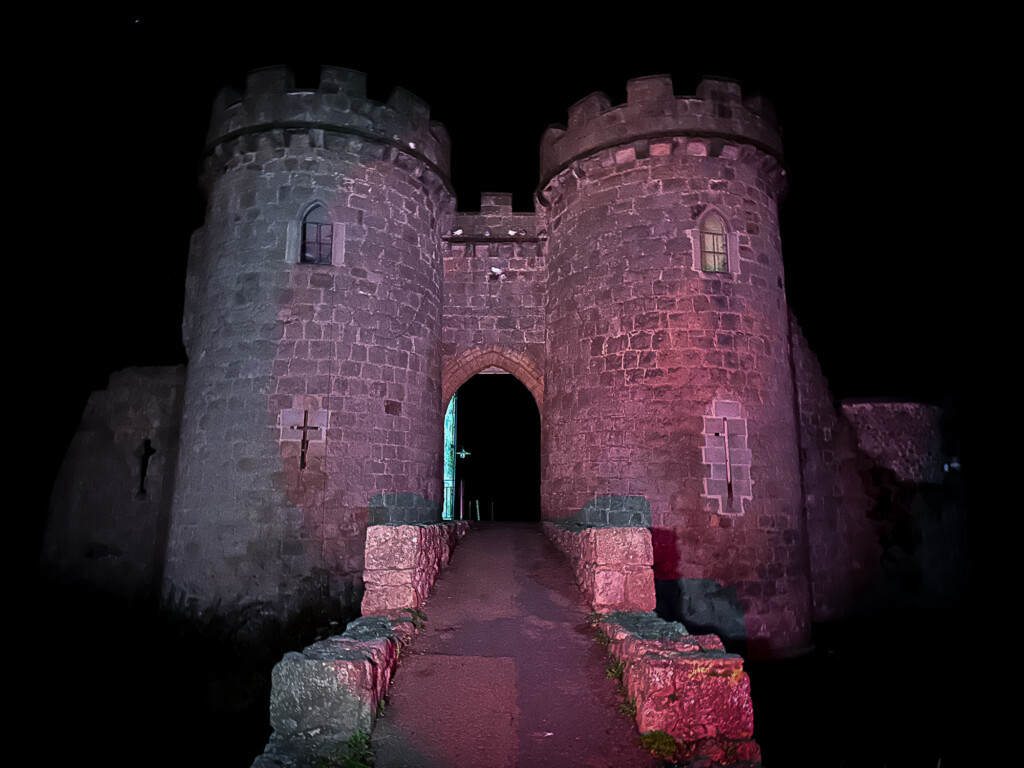
In 1204, King John pardoned Fulk FitzWarin III granting him lordship of the castle, beginning a FitzWarin family legacy that continued through successive generations until the death of Fulk XI in 1420. During this turbulent period, the castle was captured by Llywelyn ab Iorwerth in 1223 before eventually being returned to the Crown as part of a peace treaty. Following its return, the wooden fortress was rebuilt in stone, with fortified gatehouses, an inner bailey and a tower keep, enhancing its protection with strengthened water defences. Today, visitors can still explore the surviving remains of the great hall, stone keep and castle well.
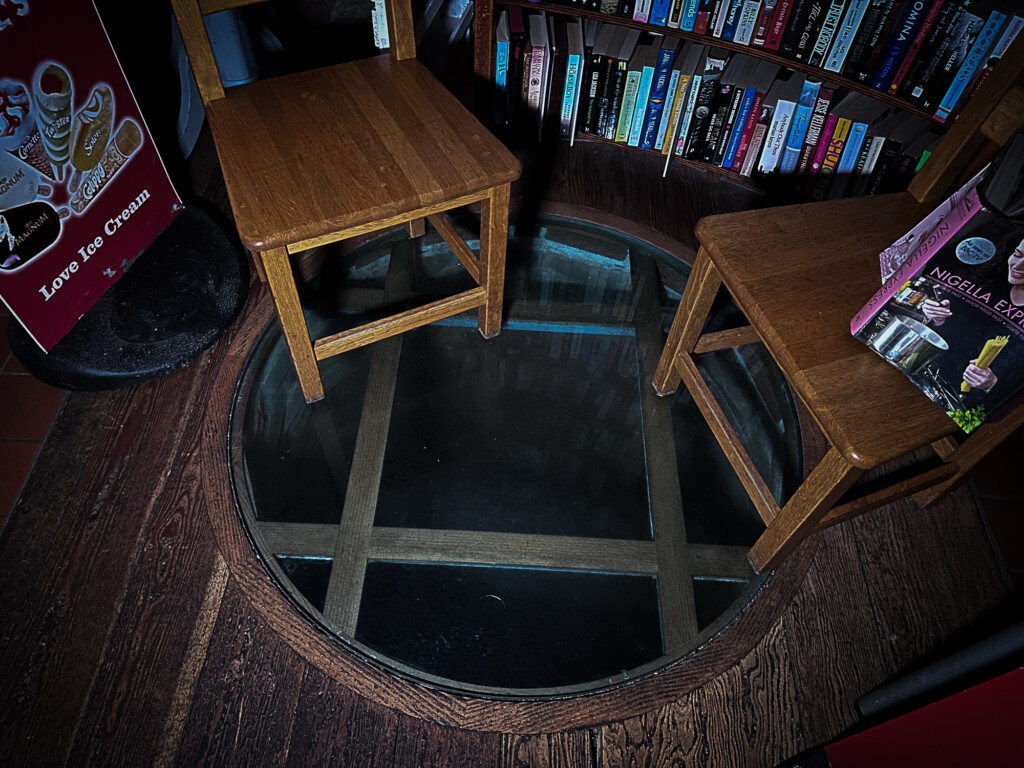
After Llywelyn ap Gruffydd’s defeat in 1282, the FitzWarins resumed occupancy and replaced the defensive keep with a more comfortable manor house in the 14th century, Fulk VI and his wife Eleanor added a new great hall, planted gardens and landscaped the grounds during a rare era of extended peace. Despite these refinements, the castle gradually fell into disrepair and was declared “utterly in ruins” by 1392. The last male FitzWarin heir, Fulk XI, died in 1420 and control initially fell to his mother and her new husband, Lord William Clinton, before passing to Fulk’s sister Elizabeth and her husband Richard Hankford.
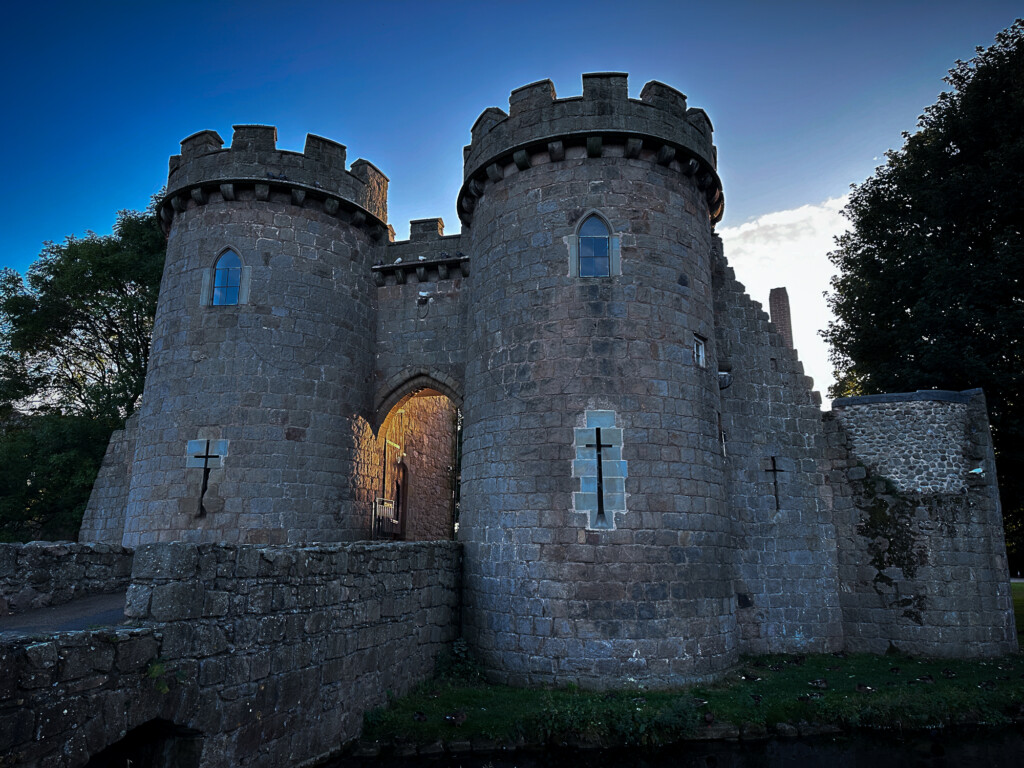
Through subsequent marriages, the castle entered the Bourchier family line until 1545, after which it rapidly changed hands. Historical accounts from this era describe an impressive stronghold surrounded by a 36-foot-wide moat. By 1638, ownership passed to the Lloyd family of Aston Hall, who retained possession well into the 20th century, though a tower collapsed into the moat around 1760 during a period of neglect. William Lloyd later restored the gatehouse and gardens, residing there until the 1990s. Today, the site is managed on a 99-year lease by the Whittington Castle Preservation Trust, whose recent upgrades will preserve the ancient building for future generations to explore and enjoy.
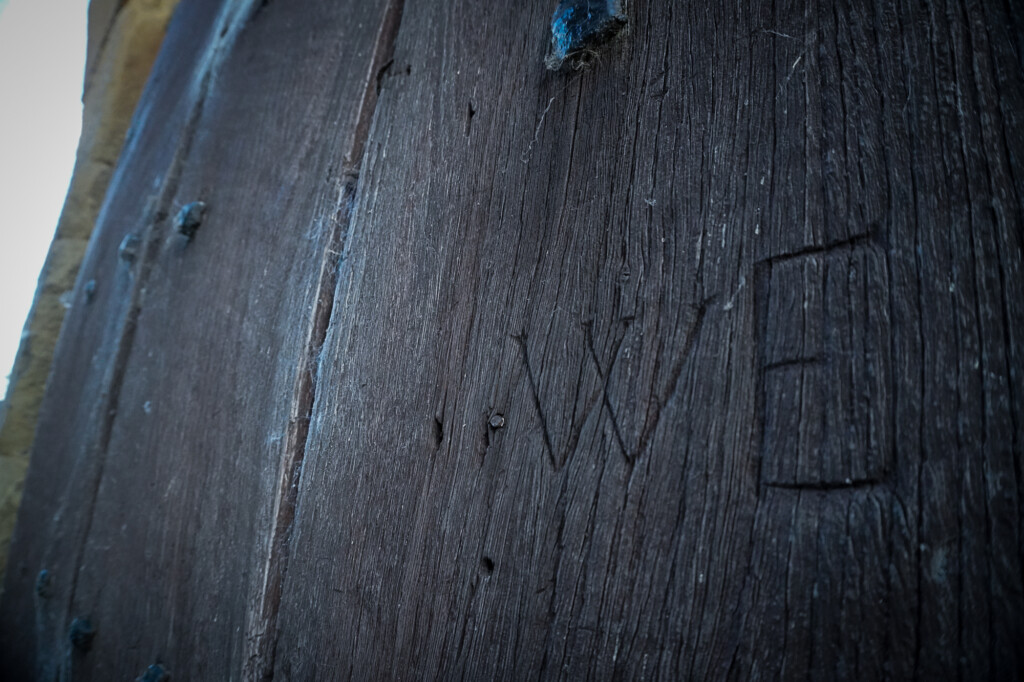
HAUNTINGS AT WHITTINGTON CASTLE
The most heartbreaking legend surrounds the castle gatehouse. Passersby often spot two pale-faced young boys staring blankly out of the upper windows. Local lore tells the story of two brothers who vanished without a trace centuries ago, years later, workmen uncovered two small skeletons trapped inside a heavy chest, leading many to believe that they had sadly suffocated while playing hide and seek. Visitors frequently hear desperate muffled cries and screams for help thought to be their continued anguish. Staff members upstairs in the old schoolroom also regularly report hearing disembodied voices calling out their names.
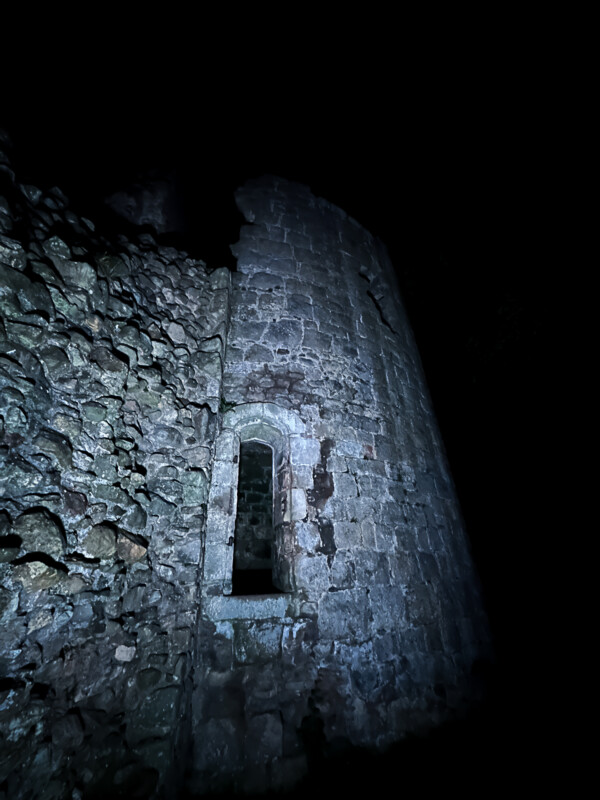
The spirits of the children who passed are not the only entities that remain on the grounds. Full apparitions are surprisingly common around the Castle. Witnesses have watched a hooded figure lingering beneath the archway of the main gate, while a lone horseman clad in ancient attire continues to patrol the perimeter. Near the crumbling walls, a tall man wearing a thick leather apron, thought to be the spirit of a medieval blacksmith, is said to vanish as soon as he is approached.
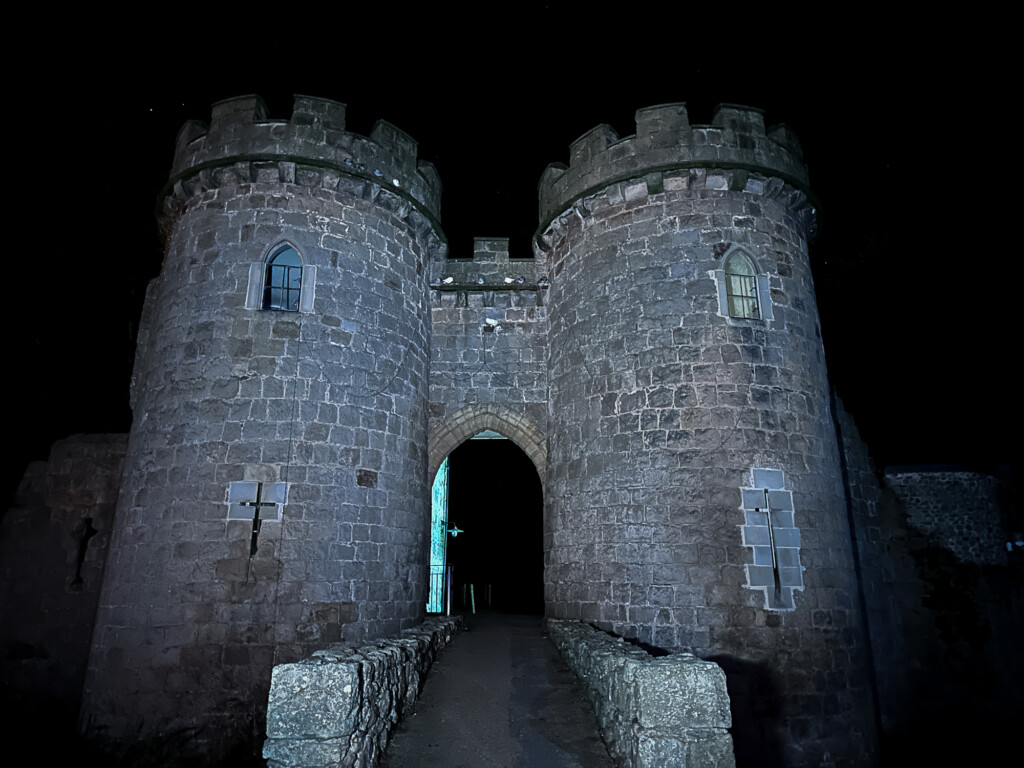
Even if you don’t see a spectral figure, the castle forces you to pay attention through eerie sensory encounters. Unexplained white mists often drift across the courtyard, strange glowing orbs float through the air and chilling cold spots hit you out of nowhere. Visitors also hear screams coming from the castle towers at night, the sound of marching footsteps, faint whistling and light singing that seems to drift through the corridors. Objects often shift places overnight without explanation, proving that Whittington Castle remains a paranormally active hotspot.
VISITING WHITTINGTON CASTLE
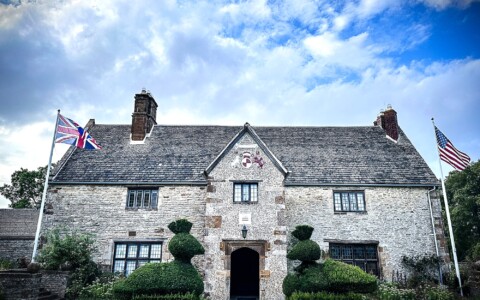
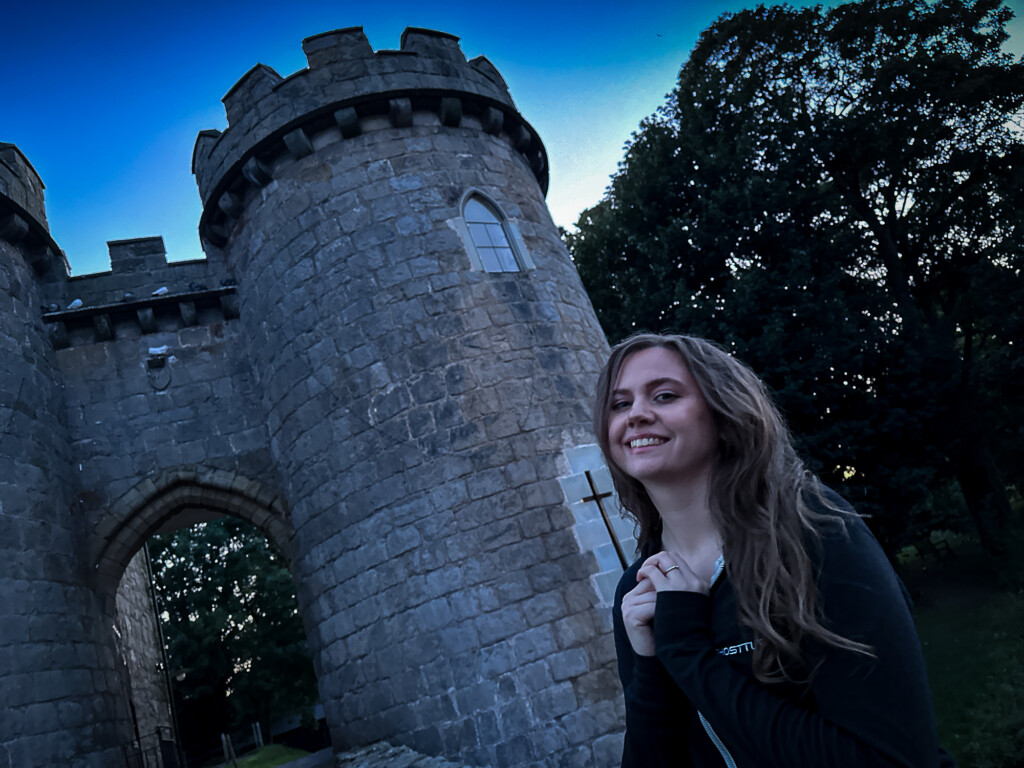
Whittington Castle is a fascinating place to visit and is filled with stories of conflict and feuds that have helped shape British history. Stepping through the main archway, where the FitzWarin family coat of arms still hangs, you feel instantly connected to this magnificent building. Whether you’re exploring its ancient turrets along the moat, feeding the friendly ducks, enjoying a treat at the dog-friendly Tea Room, or scanning the stunning grounds for its legendary ghosts, Whittington Castle provides the perfect day out for everyone.
If you enjoyed learning about the historical conflicts and ghostly legends of Whittington Castle, you may also like reading about the haunting tales of Neidpath Castle in Scotland.
Thanks for reading!
XOXO